Designing Human-AI Synergy in Consulting
Why Human-AI Collaboration Matters in Consulting
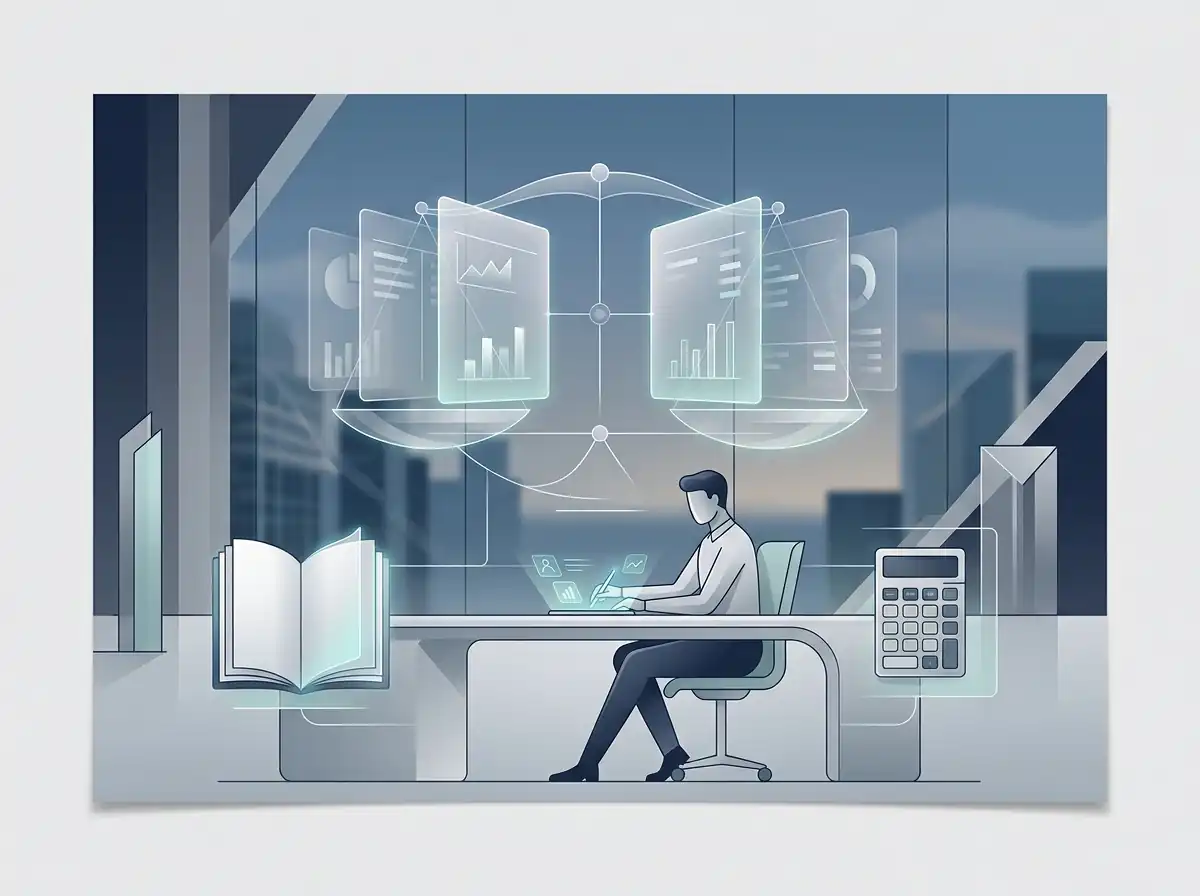
Traditional consulting thrives on human insight, emotional intelligence, interpersonal communication between client and consultant, ethical reasoning, and relationship-building which mostly had been face-to-face situations. However, consultants are increasingly burdened by data-heavy tasks, compliance checks, and repetitive analysis. Post-COVID consultations are online, and recently it has been established that AI can handle these efficiently, freeing consultants to focus on strategic thinking and client engagement.
Australian small businesses are already moving: the National AI Centre's AI Adoption Tracker shows around four in ten small and medium businesses using AI.
Designing a Collaborative Workflow
To build a successful human-AI model, firms must rethink their workflows and how to improve them. Start by identifying tasks that are repetitive and rule-based, data-intensive, or time-consuming but low-value. Segregate low-value tasks from high-value and divide automation based on their value, using human judgment as a key indicator in decision making. Best practices include task mapping, training consultants on AI tools, and establishing feedback loops.
Ethical and Strategic Considerations
AI must be deployed responsibly. Consultants should remain the final decision-makers, especially in areas involving client trust, ethical dilemmas, and complex stakeholder dynamics. Firms should establish AI governance frameworks to ensure transparency and fairness. In Australia, consultants handling client financial data should also consider their obligations under the Privacy Act, including where AI tools store and process that information.
Scenario: AI-Augmented Consulting in Action
Imagine a Melbourne-based, mid-sized management accounting consultancy that uses AI to automate everyday tasks (appointments, marketing, lead generation and customer services) and delegates some compliance reporting to AI agents. The aim of that kind of restructure is lower operating costs, faster turnaround on deliverables and happier consultants, while key client decisions still require human professional judgment. This is a hypothetical scenario, not a client result. To put numbers on it (illustrative figures): for a practice with $400,000 in annual operating costs, every 10% saved is worth $40,000 a year.
Conclusion
Human-AI collaboration is not a threat: it's a strategic imperative. By designing workflows that combine machine efficiency with human nuance, boutique consultants like Skilvizer can deliver greater value, scale sustainably, and stay ahead of the curve. Ready to explore AI integration for your consulting practice? Contact Skilvizer for a free AI-readiness consultation.
Sources
Dollar figures marked as illustrative are worked examples, not client results.
Related articles
All insights →Ready to make your numbers work for you?
Book a free 30-minute strategy call and we'll map out the first step of your business growth pathway together.
Book Your Free Strategy Call